


Moonphase aperture
The celestial complication sets the dial in motion.
The STARMARK began when Roland Murphy passed the project to Towson Watch Company. Its mechanical foundation — an RGM-developed moonphase and calendar platform — was already in place. Towson then shaped the dial, visual identity, and final design language, transforming the architecture into a distinctly American moonphase watch.


The five-point-star is used to mark time and extend the astronomical complication across the dial.
Towson Watch Company
A Collaborative American Moonphase
The STARMARK began with a mechanical architecture conceived by Roland Murphy of RGM Watch Company.
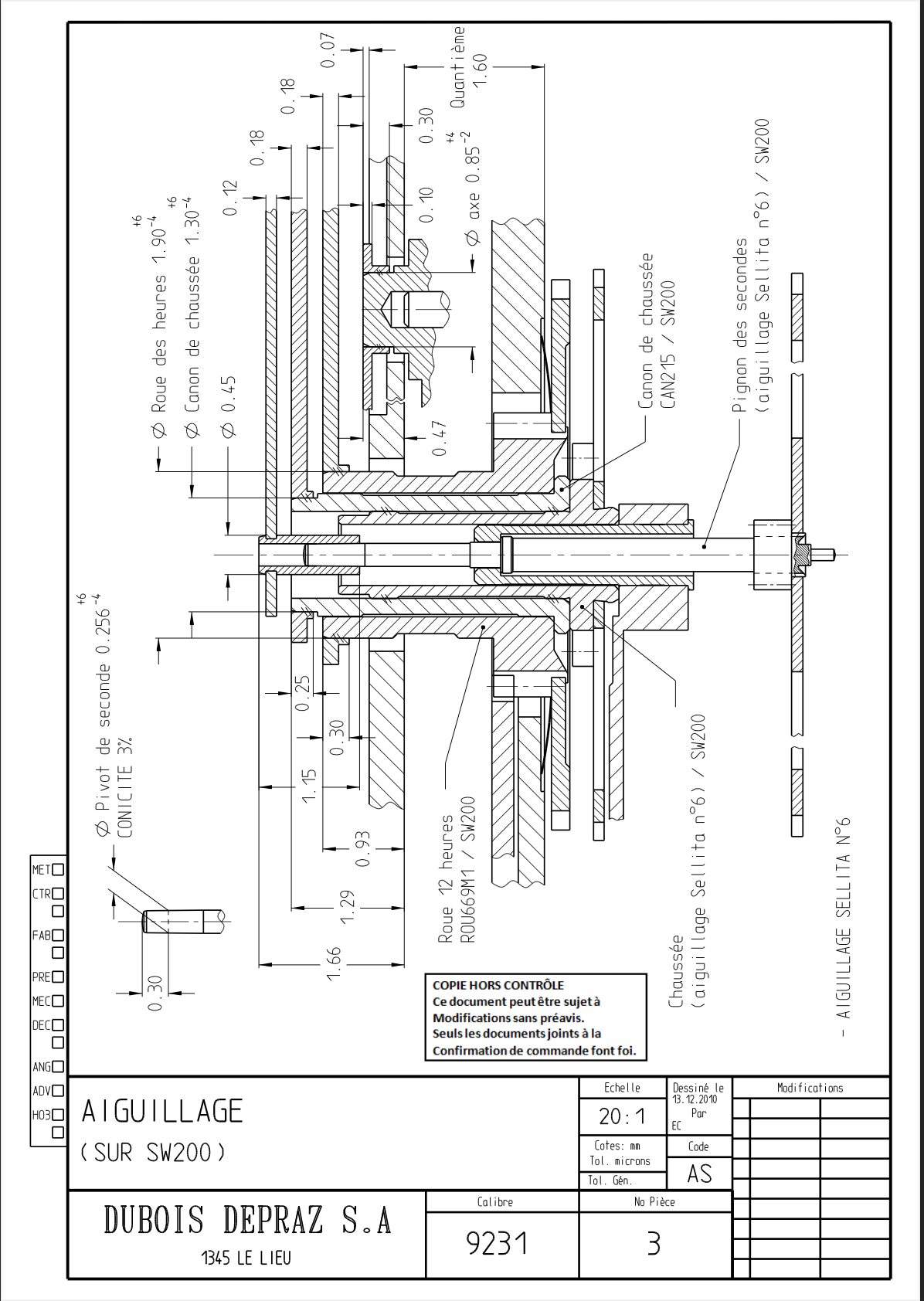
Roland developed the case and movement combination around a Sellita SW300 automatic movement paired with a Dubois Dépraz DD9231 moonphase/calendar module. Towson Watch Company developed the dial, identity, and final design language.
RGM established the mechanical foundation. Towson Watch Company shaped the visual language around it.
The result is a rare collaboration between two American watchmakers — one rooted in movement architecture, the other in authorship and dial form.
Stacked Architecture
German-produced brass dial with galvano black surface, white printing, and rhodium appliqués.
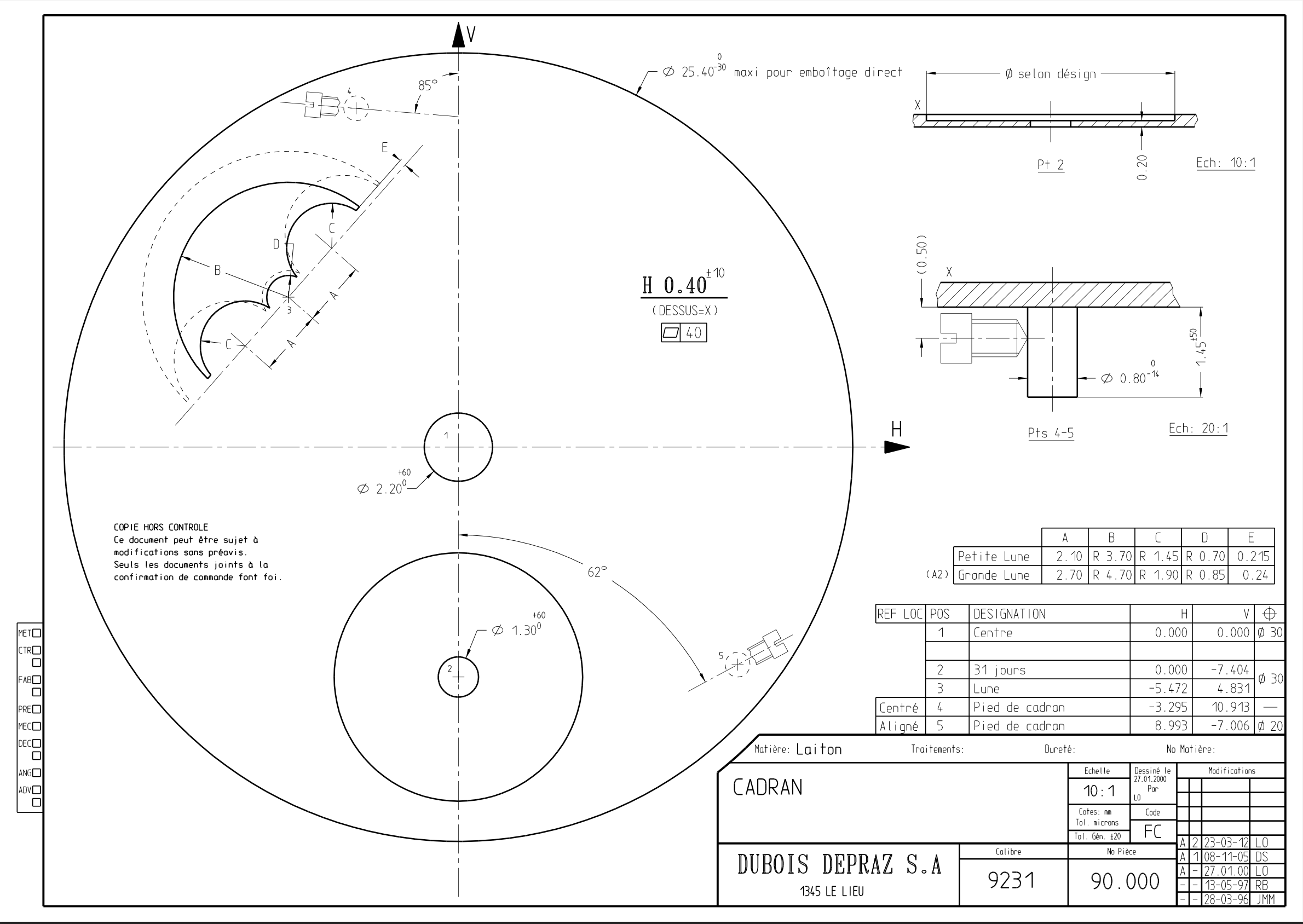
The dial-side moonphase/calendar module determines the upper-left moonphase and 6 o’clock pointer date layout.
The automatic base movement supports the module while keeping the watch within tight vertical tolerances.
Automatic Foundation
Sellita SW300 + DD9231
The Dubois Dépraz module sits above the SW300 base, creating a narrow mechanical envelope beneath the dial and crystal.
The case, crystal height, hand stack, and dial thickness all work inside that constraint. The watch was not drawn in a vacuum. It was engineered around a real mechanical architecture.
| Component | Specification |
|---|---|
| Base movement | Sellita SW300 |
| Module | Dubois Dépraz DD9231 |
| Module type | Dial-side moonphase/calendar module |
| Movement type | Automatic mechanical |
| Mechanical platform | Conceived and developed by Roland Murphy / RGM |
| Case and movement combination | Designed and made by Roland Murphy / RGM |
| Dial | Custom-produced in Germany for Towson Watch Company |
| Final identity | STARMARK by Towson Watch Company |
| Assembly | Assembled in Maryland |
| Regulation | Regulated by American watchmakers |
| Finishing | Finished in Maryland |
Compositional System
An abstract system graphic, not a dial mockup. It explains the balance of the composition without pretending to be the finished watch face.
The STARMARK dial is shaped by the architecture of its movement and module.
The Sellita SW300 automatic movement and Dubois Dépraz DD9231 moonphase/calendar module create an asymmetrical display, with the moonphase positioned in the upper-left portion of the dial and the pointer date calendar arranged at 6 o’clock.
This layout naturally aligned with Towson Watch Company’s observatory dial language, previously developed through the CHOPTANK and TALBOT collections.
On the STARMARK, the proprietary observatory field containing the TWC shield serves as a compositional counterweight to the moonphase, turning the module’s asymmetry into a balanced dial system.
The applied rhodium star markers extend the moonphase theme across the dial while serving as functional hour indices. Rhodium trim around the moonphase, date calendar, and observatory field ties these elements together visually.
The result is a dial that balances complication, authorship, and contemporary form — not through forced symmetry, but through controlled structure.
The celestial complication sets the dial in motion.
The TWC shield balances the moonphase and gives the brand mark a structural role.
Placed at 6 o’clock to complete the face of the dial.
Hour markers that extend the moonphase theme with restraint.
The STARMARK does not force symmetry onto the module. It turns the module’s natural asymmetry into a balanced dial system — one shaped by mechanical layout, material discipline, and American authorship.

Mechanical watches handcrafted start to finish in Maryland — Swiss calibers rebuilt by hand, in editions of one hundred.
New releases, workshop stories, and limited availability — delivered occasionally.