STARMARK

The work of two American watchmakers.

STARMARK comes from Towson Watch Company and Roland Murphy of RGM. A moonphase and a pointer date sit on a black guilloché dial, and applied stars mark the hours. One hundred will be made, each one numbered.

Lancaster Watch Fair · September 2026

With Roland Murphy, in Lancaster County

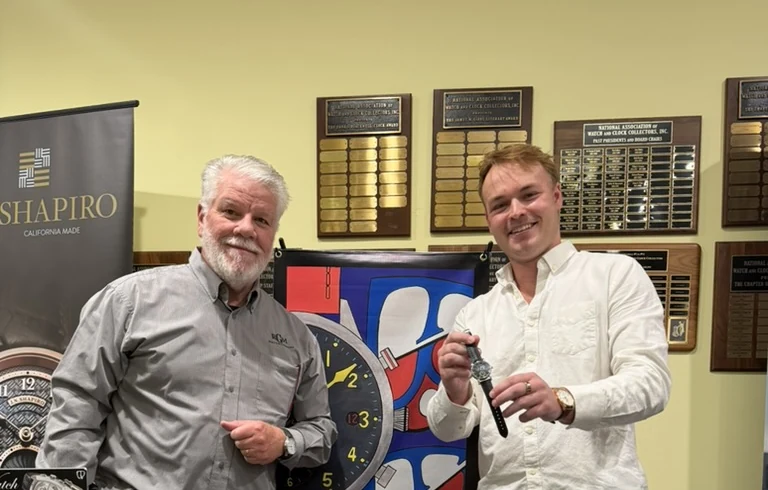
Lancaster County, Pennsylvania is American watch country: Hamilton built its watches here, and Roland Murphy has built his at RGM since 1992. In September 2026 Towson Watch Company took a table at the Lancaster Watch Fair, held in the National Watch & Clock Museum, alongside RGM, J.N. Shapiro, Weiss, Vortic, Czapek and Grand Seiko. It is where Roland handed over the first STARMARK, the watch our two houses make together.

Roland Murphy of RGM and Spencer Shattuck of Towson Watch Company standing at the Towson table at the Lancaster Watch Fair, Spencer holding up a watch

Roland Murphy of RGM and Spencer Shattuck of Towson Watch Company with the first STARMARK, at the Towson table, Lancaster Watch Fair.

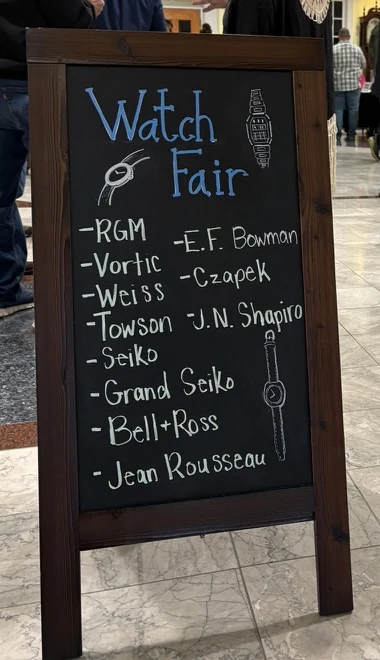
Chalkboard sign reading Watch Fair and listing RGM, Vortic, Weiss, Towson, Seiko, Grand Seiko, Bell and Ross, Jean Rousseau, E.F. Bowman, Czapek and J.N. Shapiro

The fair's exhibitors, chalked at the door.

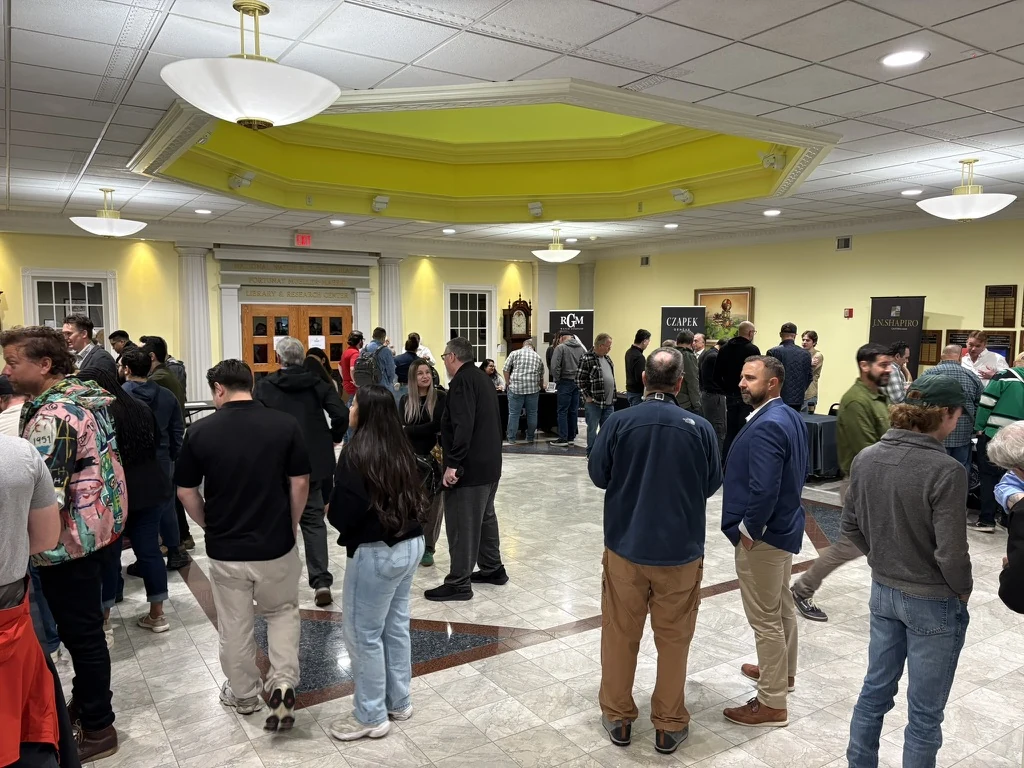
Visitors filling the atrium of the National Watch and Clock Museum during the Lancaster Watch Fair, with RGM, Czapek and J.N. Shapiro banners along the far wall

The fair floor at the National Watch & Clock Museum.

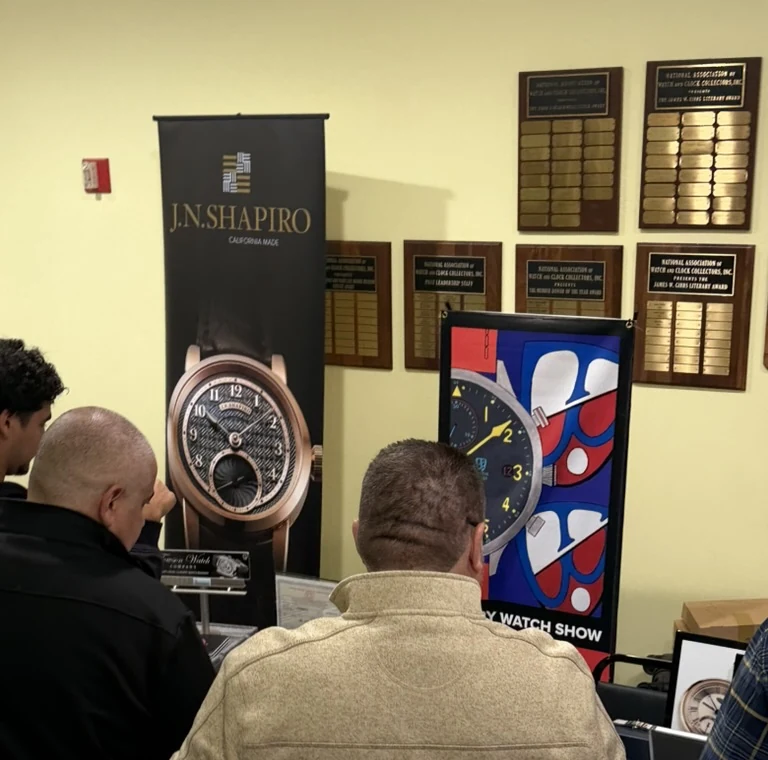
Visitors, seen from behind, looking over the watches on the Towson Watch Company table at the Lancaster Watch Fair

Collectors at the Towson table.

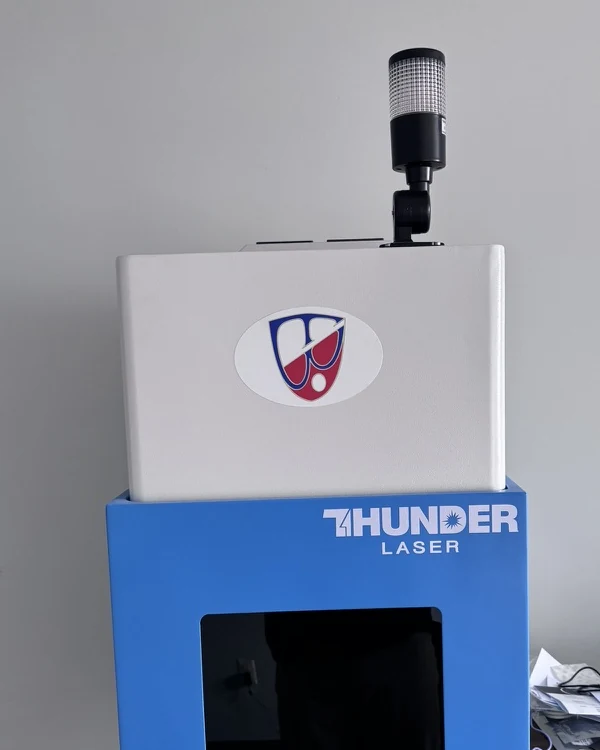
While STARMARK was being made, Towson's engraving machine went up to RGM's workshop in Mount Joy, Pennsylvania.

Blue and white laser engraving machine with the Towson Watch Company shield on its lid

The engraver, with the Towson shield on its lid.

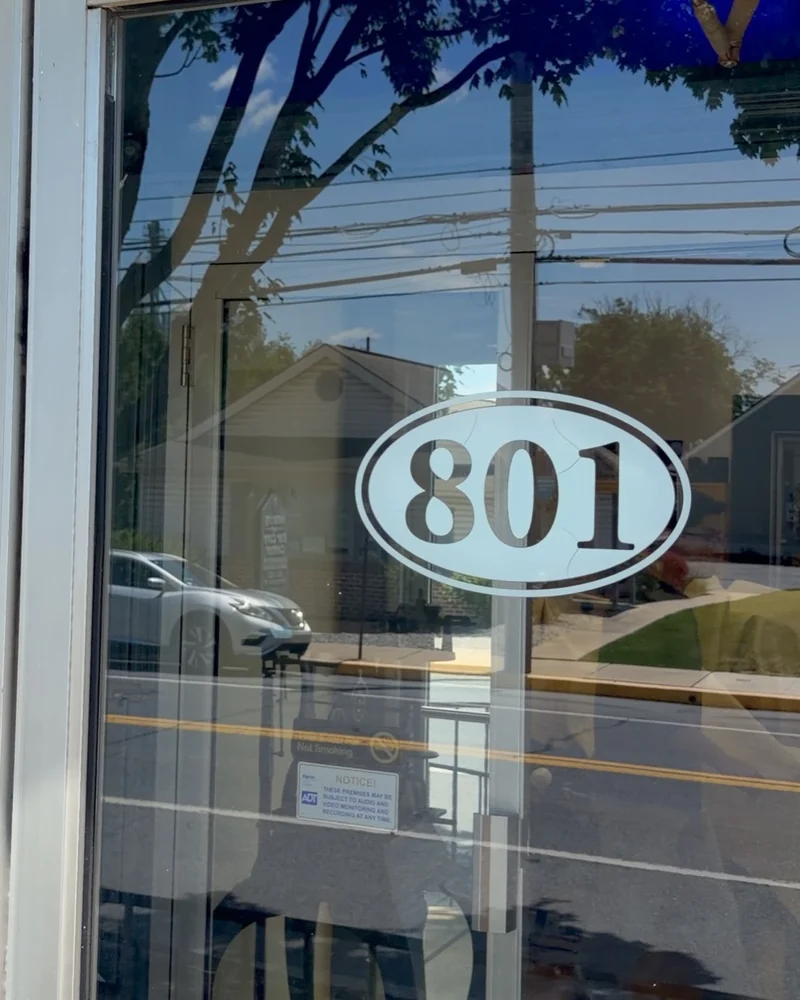
Glass door with the street number 801 etched in an oval, the entrance to RGM Watch Co. in Mount Joy, Pennsylvania

801 West Main Street, Mount Joy: RGM Watch Co.

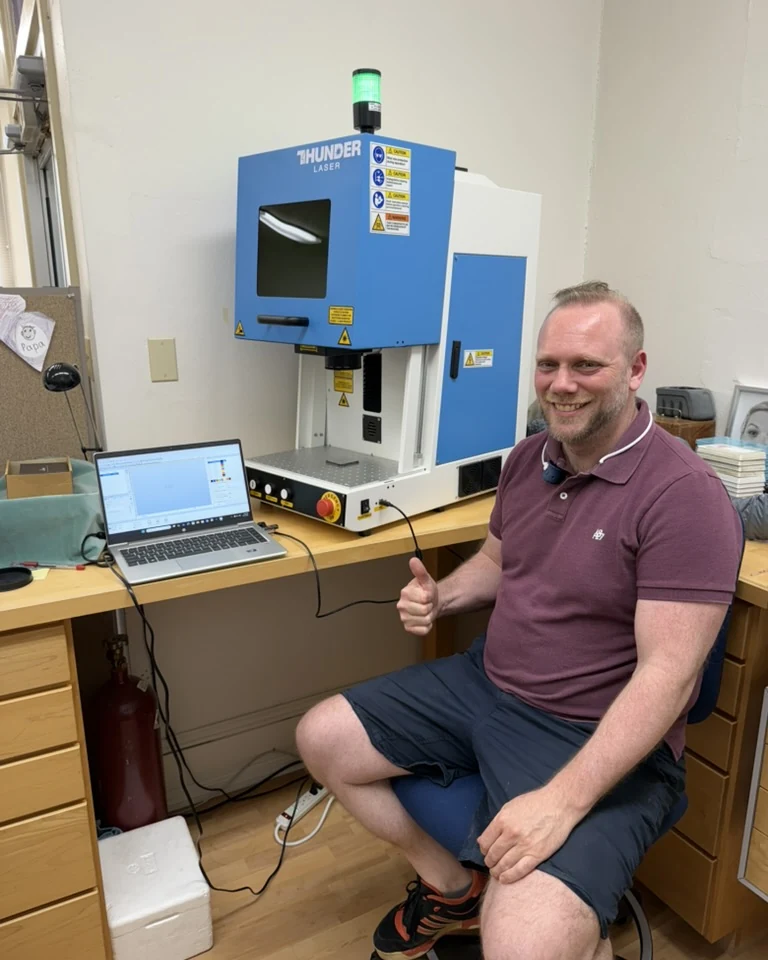
The laser engraving machine set up on a workbench beside a laptop, its status light green, with a man seated next to it giving a thumbs-up

Set up at RGM, with one of Roland's engineers.

Close view of the STARMARK dial: the star-filled moonphase aperture beside the Towson shield in its own ring, on a guilloché ground
STARMARK dial detail in black: an applied star above the moonphase aperture and the Towson shield

Symbol becomes structure —

the five-point star is not ornament here. Each applied star is an hour marker, and the dial is built around them.

Towson Watch Company

Movement & Module

A Collaborative American Moonphase

The STARMARK began with a mechanical architecture conceived by Roland Murphy of RGM Watch Company.

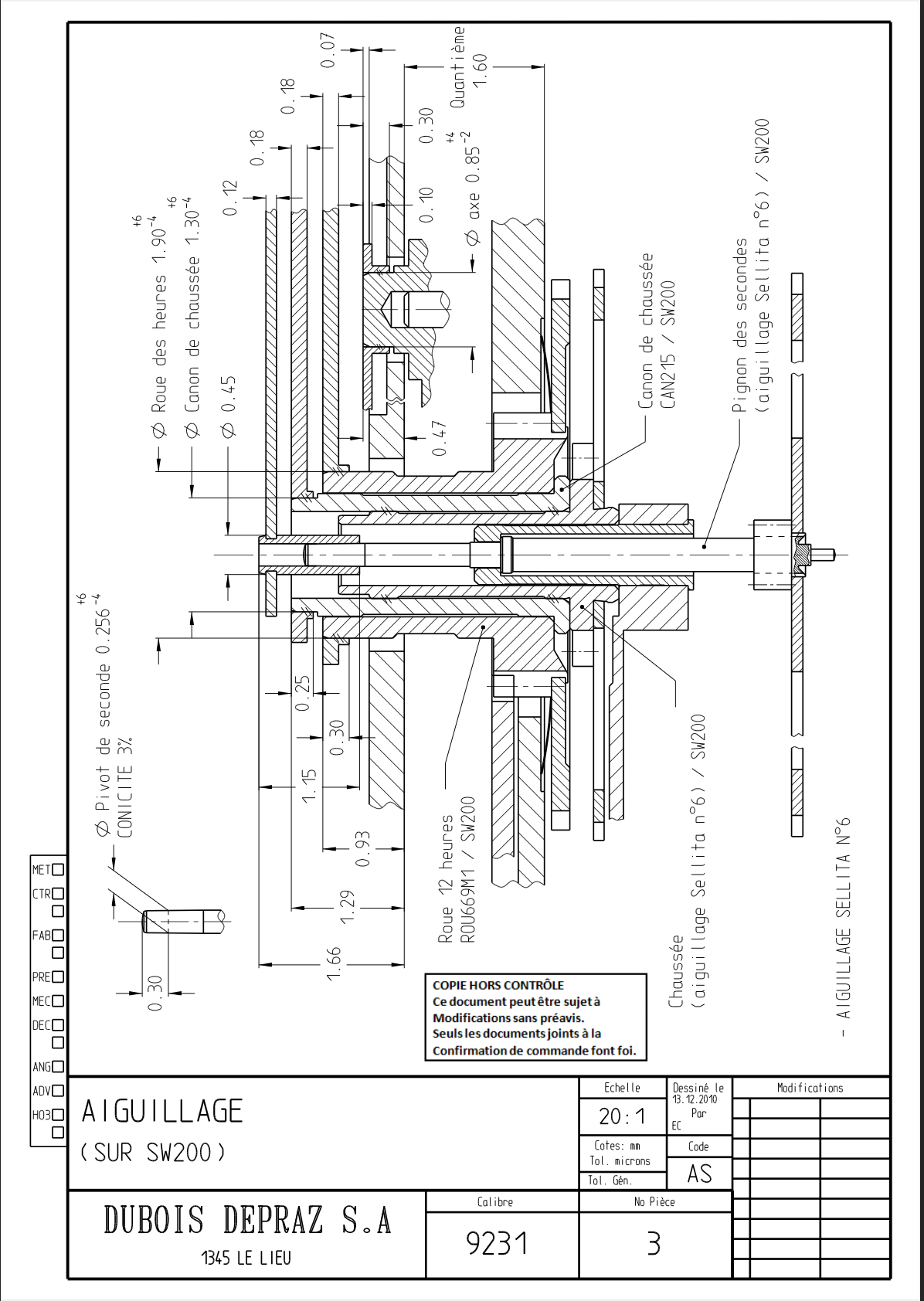
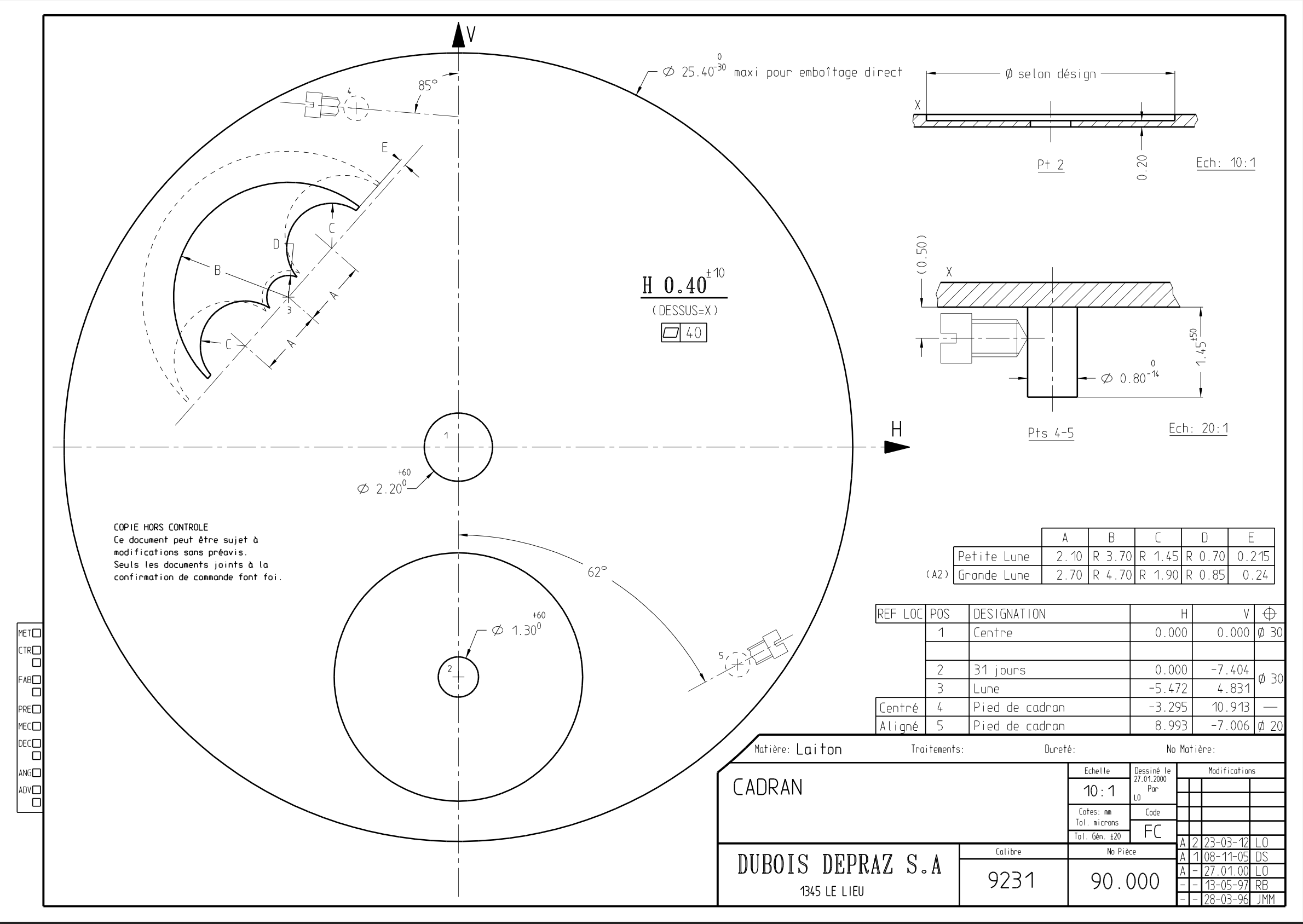
Roland developed the case and movement combination around a Sellita SW300 automatic movement paired with a Dubois Dépraz DD9231 moonphase/calendar module. Towson Watch Company developed the dial, identity, and final design language.

The Mechanical Platform

RGM established the mechanical foundation. Towson Watch Company shaped the visual language around it.

The result is a rare collaboration between two American watchmakers — one rooted in movement architecture, the other in authorship and dial form.

Stacked Architecture

01

Dial

German-produced brass dial with galvano black surface, white printing, and rhodium appliqués.

02

DD9231 Module

The dial-side moonphase/calendar module determines the upper-left moonphase and 6 o’clock pointer date layout.

03

SW300 Base

The automatic base movement supports the module while keeping the watch within tight vertical tolerances.

Automatic Foundation

Sellita SW300 + DD9231

Movement Architecture

The Dubois Dépraz module sits above the SW300 base, creating a narrow mechanical envelope beneath the dial and crystal.

The case, crystal height, hand stack, and dial thickness all work inside that constraint. The watch was not drawn in a vacuum. It was engineered around a real mechanical architecture.

Technical Foundation

Component Specification
Base movementSellita SW300
ModuleDubois Dépraz DD9231
Module typeDial-side moonphase/calendar module
Movement typeAutomatic mechanical
Mechanical platformConceived and developed by Roland Murphy / RGM
Case and movement combinationDeveloped and integrated by Roland Murphy / RGM
DialCustom-produced in Germany for Towson Watch Company
Final identitySTARMARK by Towson Watch Company
AssemblyAssembled in Baltimore at Baltimore Watch Company. Antonio Vespoint, a Towson-trained, certified watchmaker who oversees all Towson work there, assembles the edition. Roland Murphy assembled the first batch and taught BWC's watchmakers to assemble the module and movement.
RegulationRegulated by American watchmakers
DesignDial and identity designed in Maryland

Compositional System

Moonphase

Upper left

TWC Shield

Counterweight

Date

6 o’clock

An abstract system graphic, not a dial mockup. It explains the balance of the composition without pretending to be the finished watch face.

The Dial Architecture

The STARMARK dial is shaped by the architecture of its movement and module.

The Sellita SW300 automatic movement and Dubois Dépraz DD9231 moonphase/calendar module create an asymmetrical display, with the moonphase positioned in the upper-left portion of the dial and the pointer date calendar arranged at 6 o’clock.

This layout naturally aligned with Towson Watch Company’s observatory dial language, previously developed through the CHOPTANK and TALBOT collections.

Material Language

On the STARMARK, the proprietary observatory field containing the TWC shield serves as a compositional counterweight to the moonphase, turning the module’s asymmetry into a balanced dial system.

The applied rhodium star markers extend the moonphase theme across the dial while serving as functional hour indices. Rhodium trim around the moonphase, date calendar, and observatory field ties these elements together visually.

The result is a dial that balances complication, authorship, and contemporary form — not through forced symmetry, but through controlled structure.

☾

Moonphase aperture

The celestial complication sets the dial in motion.

⬟

Observatory field

The TWC shield balances the moonphase and gives the brand mark a structural role.

31

Pointer date calendar

Placed at 6 o’clock to complete the face of the dial.

✦

Rhodium star indices

Hour markers that extend the moonphase theme with restraint.

STARMARK dial detail: a polished applied star, the star-filled moonphase, the Towson shield and the top of the pointer-date ring
One hundred, each numbered

Ask about STARMARK

STARMARK is not sold online. Each piece is allocated personally by Towson Watch Company. If you would like to be considered, or simply want to know more about the watch, write to us. Spencer replies personally by email.

Thank you! Your submission has been received!
Oops! Something went wrong while submitting the form.